Understanding the psychology behind high-stakes gambling in casinos
The Allure of High-Stakes Gambling
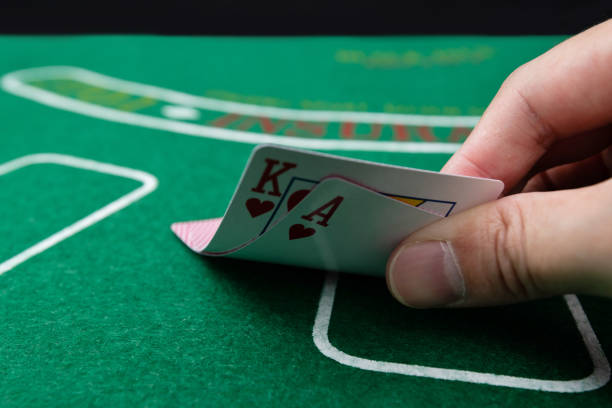
High-stakes gambling captivates individuals for various psychological reasons. The thrill of risking substantial amounts of money can create an adrenaline rush, making the experience highly exciting. This heightened emotional state is often referred to as the “gambler’s high,” where the blend of anticipation and risk leads to feelings of euphoria. For many, this rush is intoxicating and can lead to repeated visits to casinos, seeking the same exhilarating experience. Engaging with usa online casinos has also gained popularity among enthusiasts looking for new ways to experience high-stakes thrills.

Moreover, the social environment within casinos plays a crucial role. High-stakes gamblers often find themselves in exclusive areas filled with like-minded individuals, fostering a sense of belonging. This camaraderie can amplify the excitement and can make the gamble feel more significant, both socially and financially. Such experiences can become ingrained in one’s psyche, further driving the allure of high-stakes gambling.
The Role of Cognitive Biases
Cognitive biases significantly influence decision-making in high-stakes gambling. Many gamblers exhibit an optimistic bias, leading them to underestimate the risks involved and overestimate their chances of winning. This illusion of control can create a false sense of confidence, pushing individuals to gamble more aggressively. Believing they can influence outcomes in games based on skill rather than luck feeds into this cognitive distortion.
Additionally, the gambler’s fallacy—a belief that past events affect future outcomes—can further entrap players in a cycle of high-stakes gambling. Gamblers may think that because a certain number hasn’t appeared recently, it is “due” to win. Such biases can cloud judgment, resulting in decisions that prioritize emotional satisfaction over logical reasoning.
The Impact of Loss Aversion
Loss aversion, a concept from behavioral economics, explains why high-stakes gamblers often chase their losses. The fear of losing money tends to outweigh the pleasure of winning, creating a powerful incentive to continue gambling until losses are recovered. This emotional response can lead to significant financial consequences, as individuals may wager more than they originally intended to mitigate feelings of regret.
This psychological aspect can lead to a dangerous cycle of gambling, where players remain trapped in a loop of hope and despair. As they continue to gamble in hopes of winning back losses, the cycle reinforces negative behaviors and can escalate into gambling addiction, further complicating their psychological landscape.
The Influence of Environment and Design
The environment of a casino is meticulously designed to enhance the gambling experience and can impact psychological responses. From the layout of the casino floor to the enticing sounds and visuals, every detail is curated to keep gamblers engaged and enthralled. The lack of clocks and windows creates a disorienting atmosphere, often leading individuals to lose track of time, encouraging prolonged gambling sessions.
Moreover, the availability of complimentary drinks and the proximity of high-stakes tables to other entertainment options further keep players immersed in the gambling culture. This immersive design manipulates environmental factors, making it easier for individuals to succumb to the urge to gamble, often without considering the financial ramifications.
Raising Awareness About Gambling Addiction
Understanding the psychology behind high-stakes gambling is crucial for raising awareness about the potential for addiction. As the emotional, social, and cognitive factors intertwine, individuals may find themselves descending into compulsive gambling habits. Awareness campaigns can help illuminate the warning signs of gambling addiction, empowering individuals and families to recognize when gambling becomes harmful.
Education about the psychological underpinnings of gambling behaviors can foster healthier relationships with gaming activities. It is essential for individuals to seek help if they recognize the signs of gambling addiction, as early intervention can lead to recovery and a better understanding of personal limits.
Leave a Reply